class i ii iii occlusion
A Class 3 molar relationship is described as. The molar relationships are Class II but the central are retroclined and the lateral teeth are seen overlapping the centrals.

Dental Hygiene Student Dental Jokes Dentistry Student
Class II Division 2 is where the maxillary anterior teeth are retroclined and a deep overbite exists.

. No statistically significant difference was found between the occlusion types according to condylar asymmetry level. In cases of Angle Class III occlusion the overjet is often reversed. Mesiobuccal groove of md 1st molar is more anterior than normal canine.
Distocclusion retrognathism overjet overbite In this situation the mesiobuccal cusp of the upper first molar is not aligned with the mesiobuccal groove of the lower first molar. Upper incisors are tilted outwards creating significant overjet. What is a Class 2 occlusion.
Patients with UPC have asymmetric condylar heights. The control group included asymptomatic patients with normal occlusion and the other three groups included patients with different malocclusions class II1 class II2 and class III. Class II Malocclusion Class II Malocclusion has two divisions to describe the position of the anterior teeth.
1 day ago What is a Class 2 occlusion. The Class II subdivision is discussed in chapter 15 together with the Class III subdivision. Class II.
In certain forms of class III malocclusion treatment might involve alignment of the maxillary arch proclination of the upper anteriors and retraction of the mandibular incisors whereas the molars are maintained in a class III malocclusion. The mesiobuccal cusp of the maxillary first molar occluding posterior to the buccal groove of the mandibular first molar ie. Interception of growing class2 division 1 malocclusion.
Usually the mesiobuccal cusp rests in between the first mandibular molars and second premolars. Class II Division 2. In severe Class II division 1 malocclusions the lower lip is positioned between the mandibular and maxillary incisors.
Posterior occlusion or cuspal inclination should match opposing dentition Occlusal contacts should have a good cusp to fossa relationship with an even distribution of forces Posterior teeth can be set in non-balanced occlusion or balanced if possible With a Class II or III ridge relationship a cross-bite occlusion might be necessary. Class III occlusion also known as. Therapeutic Class III Occlusion.
Each class can also become more specific by being. An ideal or normal front-to-back anteroposterior relationship between the upper and lower jaws is known as class I occlusion. Class II occlusion occurs when the lower dental arch is posterior more towards the back of the mouth than the upper one.
Class II division 1. Class III malocclusion. The space for retraction and retroclination of the lower incisors may need to.
Class II division 1. There is normal relationship of the molars but the line of occlusion is incorrect because of malposed teeth rotations or other causes. Class I II and III.
The patients with UPC showed a significantly different level of condylar height asymmetry compared to the Class I II and III occlusion types P. Class II canine relationship -- Class II the maxillary permanent canine occludes in front of the embrasure between mandibular canine and first premolar. Class II Malocclusion A malocclusion where the molar relationship shows the buccal groove of the mandibular first molar distally positioned when in occlusion with the mesiobuccal cusp of the maxillary first molar.
In contrast persons with class II or class III jaw relationships have a malocclusion because of a considerable difference in size or the abnormal positional relationship of the mandible relative to the maxillae. Class II Division 1 is when the maxillary anterior teeth are proclined and a large overjet is present. Class II molar relationship exists on one side and the other side has a normal Class I molar relationship.
This classification refers to the position of the first molars and the way in which the upper ones fit together with the lower ones. Angle Class III or prenormal occlusion is evident when the mandibular first molar is in a prenormal position compared to the normal occlusion ie. The mesiobuccal cusp of the maxillary first molar lies.
Class II Division 1 is when the maxillary anterior teeth are proclined and a large overjet is present. Class III canine relationship Class III the maxillary permanent canine occludes behind the embrasure between mandibular canine and first premolar. Instead it is anterior to it.
Angle Class III occlusion. Classification of the bite occlusion is divided into three main categories. Class II division 2.
In total 80 patients were included in the sample with a total of 160 TMJ since both joints were analyzed right and left. Class II division II malocclusion is often associated with a deep overbite. Class II Malocclusion Division 1.
Class II occlusion occurs when the lower dental arch is posterior. A class III occlusion is associated with. The mesiobuccal cusp of the upper first molar occludes posterior to the buccal groove of the lower first molar.
In front of the normal position or in a mesial relationship. Upper incisors are labially inclined. Canine is mesial to mesial of mx canine by width of premolar.
Class I Malocclusion A normal molar relationship exists but there is crowding misalignment of the teeth cross bites etc. This is important because the classification of the bite also indicates whether there is a skeletal discrepancy and helps determine why the bite. The red line is Angles line of occlusion and any Class I occlusions with deviations to this line are defined as a Class I malocclusion.
The mesiobuccal cusp of the maxillary first permanent molar occludes DISTALLY posteriorly to the mesiobuccal groove of the mandibular first molar. The maxillary first molar is severely posteriorly positioned relative to the mandibular first molar. CLASS II Sub-division.
The profile of a patient with class II has a convex appearance with a retracted chin and lower lip. Mesiocclusion prognathism anterior crossbite negative overjet underbite In this case the upper molars are placed not in the mesiobuccal groove but posteriorly to it. MESIOOCCLUSION negative overjet Molar relationship.
Class II occlusion occurs when the lower dental arch is posterior more towards the back of the mouth than the upper one. Class II division 2. In this malocclusion the upper front and maxillary teeth project more forward than the lower teeth and the jaw.

Twitter Dental Hygiene Student Dental Anatomy Dental

Pin De Trotil En Dental Odontologia Dental
Dentiste Hongrie Cabinet Dentaire Budapest Dental Facts Dental Dental Hygiene School

Pin On Dh School

Orthodontic In 2022 Dental Hygenist Dental Braces Dental Hygiene School

Malocckusion Can Be Treated By Orthodontist Dental Hygiene Student Dental Hygiene School Dental Assistant Study

Pin On Alimentacion

Pin By Amec On Dental Laboratory Dental Dental Hygiene School Dental Hygienist

Classes Of Occlusion Dental Hygenist Dental Dentistry

Classes Of Occlusion Dental Hygenist Dental Dentistry

Dentaltown Where The Dental Community Lives ブログ

Dentalish On Instagram Angle S Classification Angleの分類 Angleの分類ってなに 1899年にedward H Dentistry Comics Angles

Angle Siniflamasi Orthodontics Dental Dental Hygiene School

Angle Siniflamasi Orthodontics Dental Dental Hygiene School

Classes Of Occlusion Dental Caries Dental Hygenist Dental
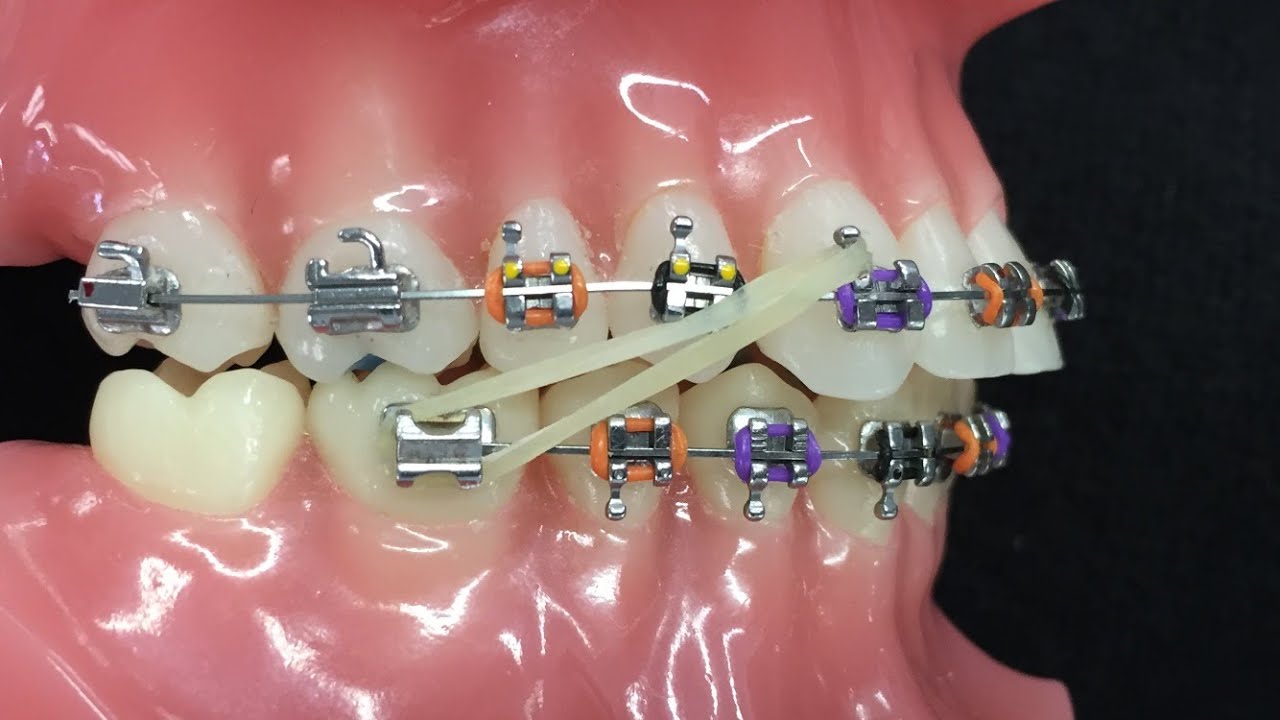
Class Ii Elastics Youtube Orthodontics Dental Videos Orthodontic Appliances

Dentaltown Where The Dental Community Lives ブログ

Pin On Health

Pin By Linda Purmer Ahiome On Dentistry Buzz Dental Care Dental Dental Decay